Steel or aluminium palisade fencing - which should you choose? We compare the options!
Go to article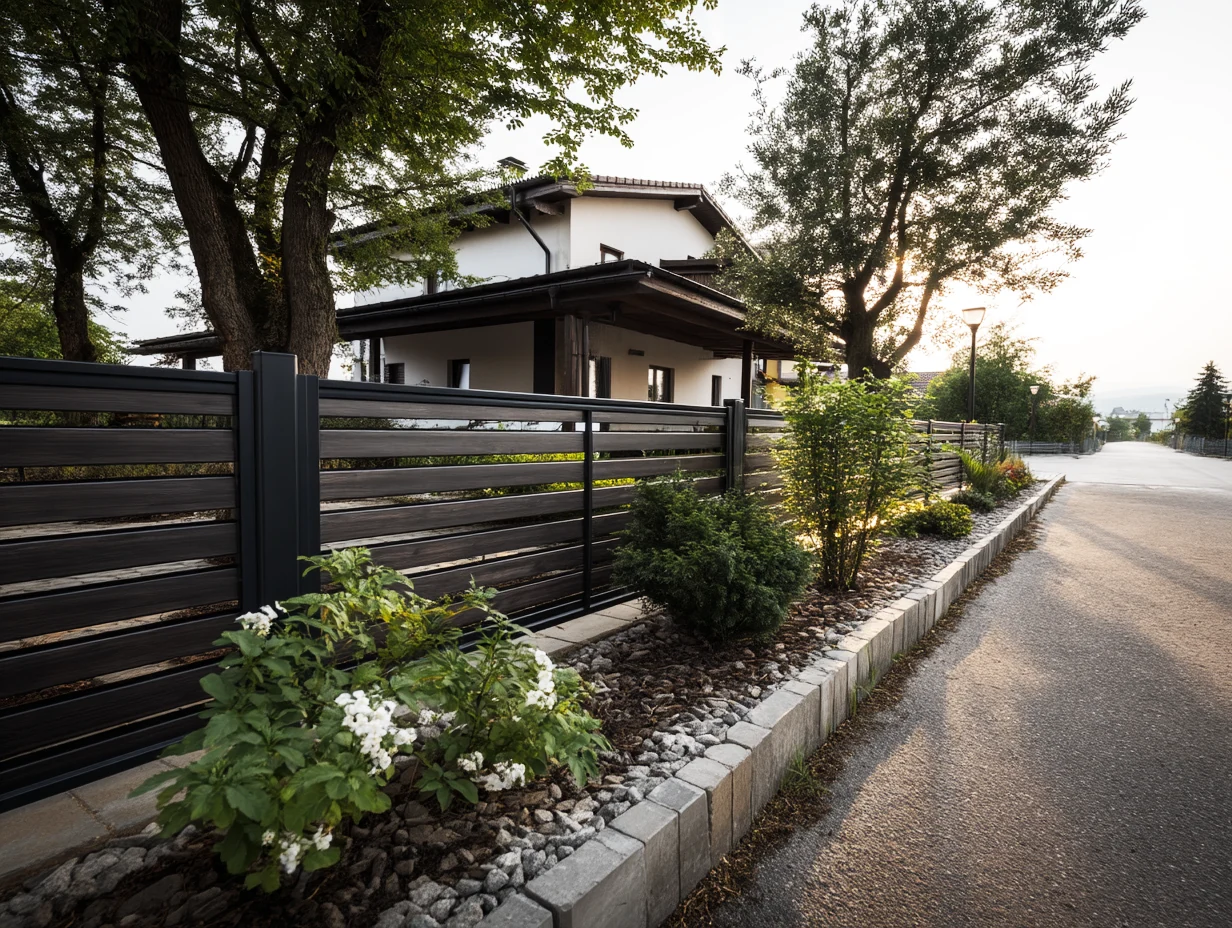
Choosing a fence is a key decision when planning a property. It must be durable, attractive, suited to the home's style, and provide the right level of privacy and security. Steel and aluminium palisade fencing are increasingly popular. Which is the better fit for your property? We compare the two options.
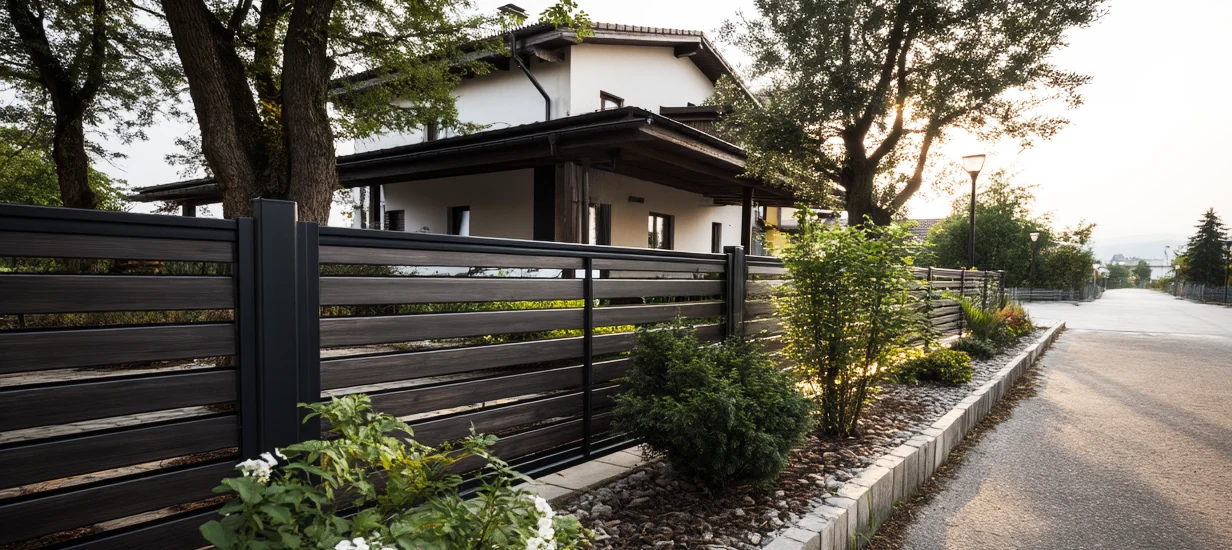
Steel palisade fencing - a classic with a modern twist
Steel palisade fences are made from galvanized, powder-coated steel. They consist of rectangular and square profiles ranging from 20×20 to 200×20 in cross-section.
Advantages:
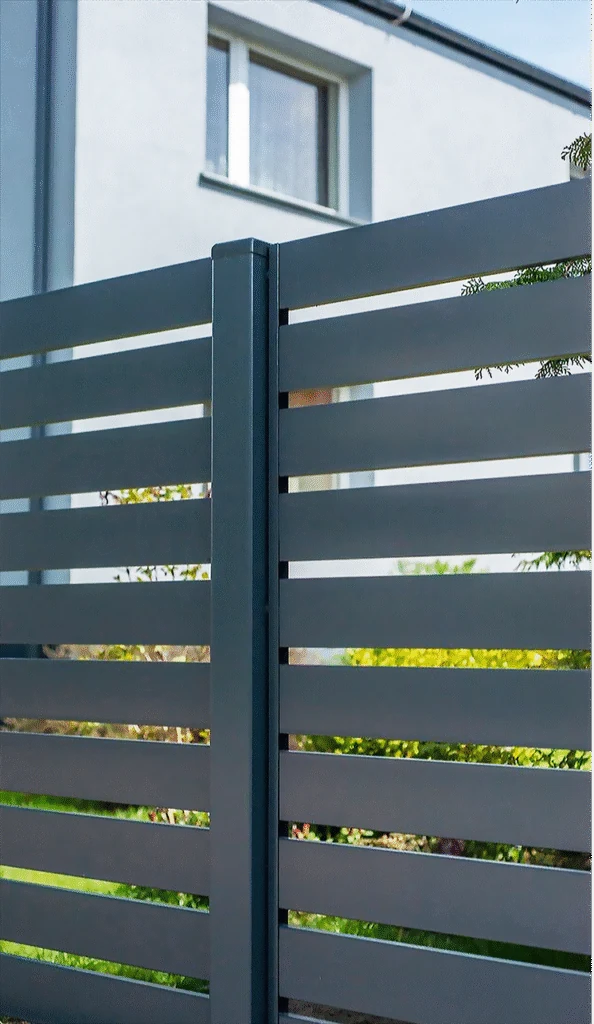
- Galvanized steel is highly resistant to mechanical damage and deformation. Additional powder coating protects against corrosion and supports a long service life - even several decades.
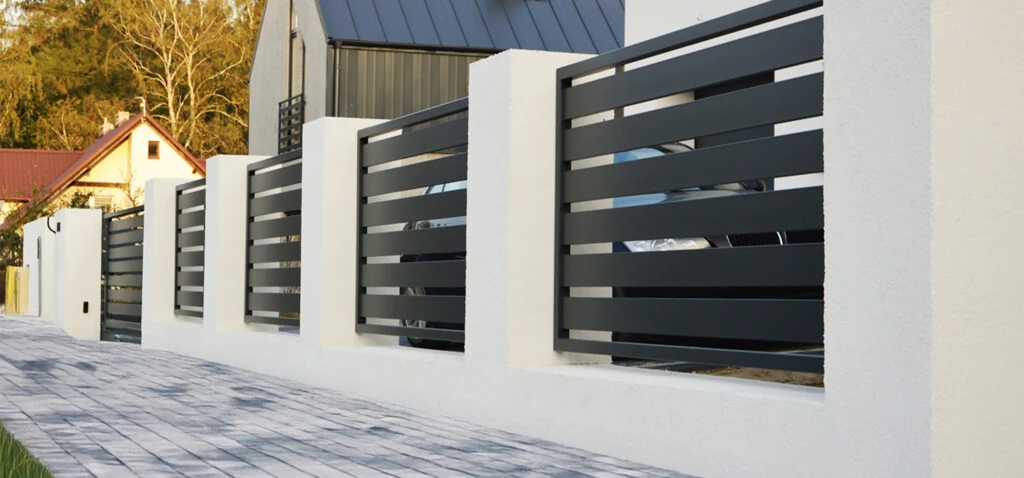
- Palisade fences suit both modern and classic architecture. Their minimalist form and attractive finish give a property an elegant character.
- A choice of profiles (width and arrangement), colors and installation methods allows the fence to be tailored to individual needs and preferences.
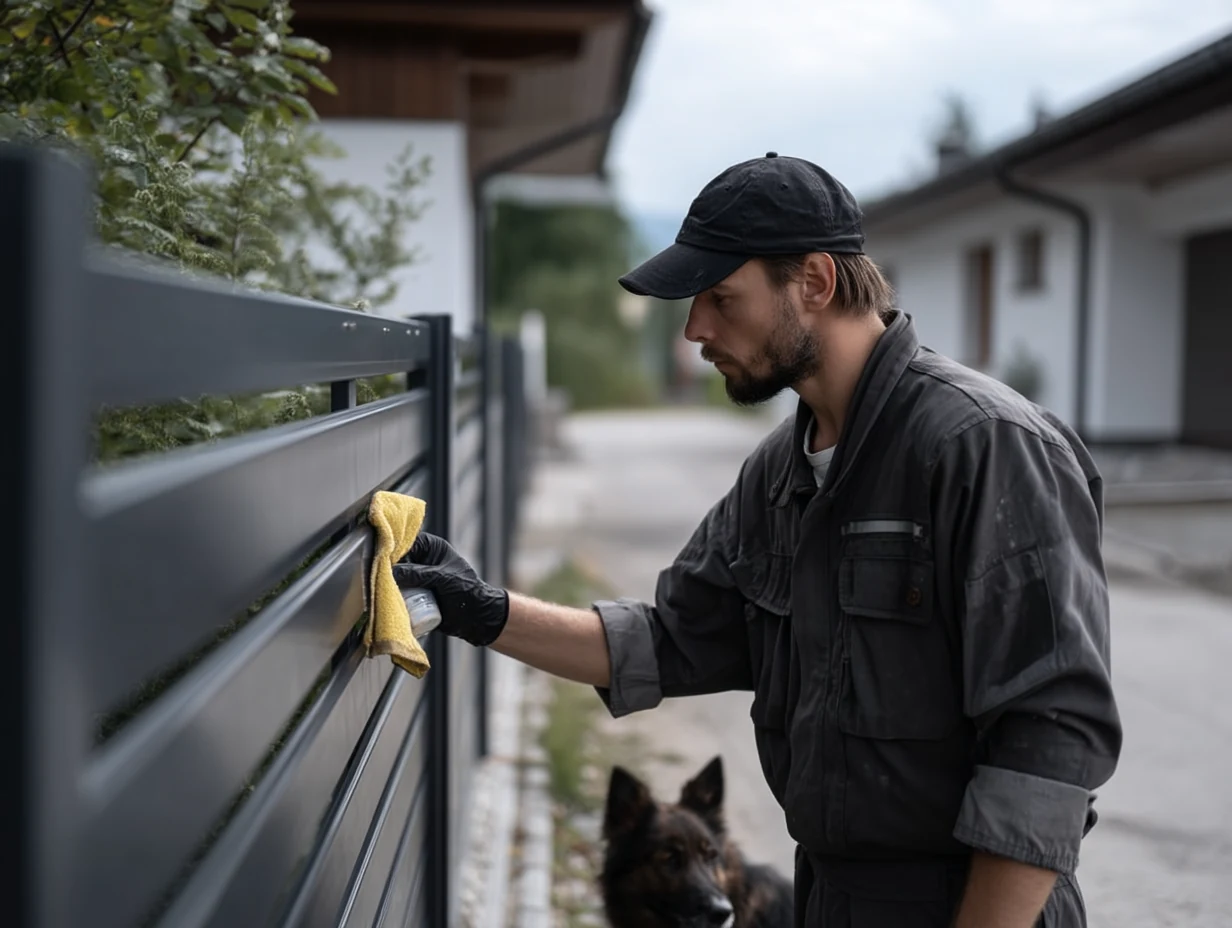
- Thanks to its anti-corrosion coating, the fence does not need regular painting or maintenance; periodic cleaning is sufficient.
- Steel palisade fencing can be integrated with sliding gates, wickets with intercoms or LED lighting.
- Ready-made palisade panels allow quick, straightforward installation, either independently or by a professional team.
- Scope for personalization - choosing the spacing between profiles lets you adjust visibility through the fence and, in turn, privacy
Disadvantages:
- Depending on the spacing of the profiles, the fence may not fully block the view from passers-by. If this is essential, consider additional infill or another type of fence.
- To look good and last for years, the fence must be accurately leveled and set. Installation errors can harm both durability and appearance.
Aluminium palisade fencing - lightness and modern design
Aluminium fencing is becoming popular thanks to its light weight and modern design. It is made using a seamless process from powder-coated aluminium profiles.
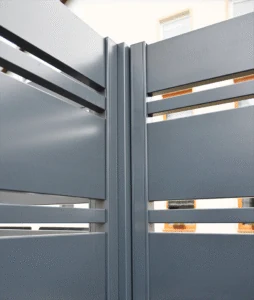
Advantages:
- Aluminium does not rust, making it suitable for high-humidity locations, including coastal areas and gardens with automatic irrigation.
- Minimalist forms, smooth surfaces and a wide range of powder-coated colors make aluminium fencing a good match for contemporary architecture.
- Resistance to weather, UV exposure and temperature helps aluminium fencing retain its properties and appearance for many years.
- Dimensions, patterns and colors can be tailored to the buyer's needs, including gates and wickets.
- Precision processing of aluminium creates crisp lines, elegant joints and accurately fitting components for a refined finished appearance.
- The modular system used for aluminium fencing makes it quick and straightforward to extend, for example by adding a wicket, gate or extra panels. A damaged component can be replaced without dismantling the entire fence,
Disadvantages:
- Aluminium fences cost more than conventional steel, mesh or panel fences. This is a premium investment that may not suit every budget.
- The minimalist design of aluminium fencing works best with modern buildings; it may look too austere beside traditionally styled houses.
- Because aluminium is less rigid than steel, wide spans may need additional reinforcement or smaller modules.
Comparison of aluminium and steel palisade fencing
Feature
Aluminium palisade fence
Steel palisade fence
Durability
High; resistant to corrosion and weather
Very high, but requires good anti-corrosion protection
Resistance to damage
Good, but more prone to dents
Very high - strong and rigid
Weight and installation
Lightweight; easy to transport and install
Heavier; installation may be more demanding
Appearance
Modern and minimalist
Modern or classic; more versatile
Care and maintenance
Low maintenance
Requires periodic inspection of the protective coating
Rust resistance
100% - aluminium does not corrode
Good, but only while the coating remains intact
Customization options
Very broad - colors, machining and patterns
Broad - different profiles, colors and gaps
Fit with architecture
Best suited to modern buildings
Suits different styles (classic and modern)
Purchase cost
Higher (premium material)
Moderate (more affordable)
Modularity and flexibility
High - easy to extend and replace components
High - panel systems are adaptable
Summary: which fence should you choose?
Choose an aluminium fence if you want:
- A modern, minimalist appearance
- Long-lasting corrosion resistance
- Low maintenance and straightforward installation
- A refined look (particularly for contemporary homes)
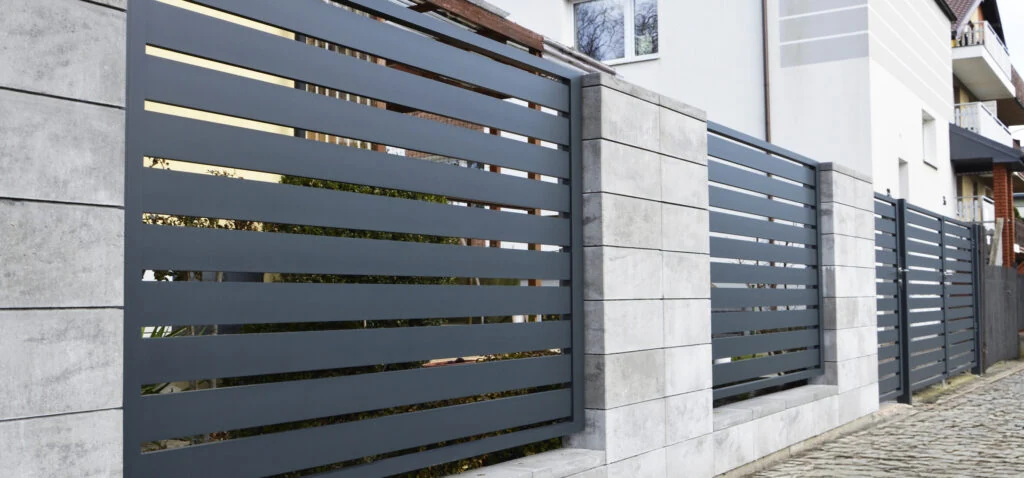
Choose a steel palisade fence if you want:
- Durability and strength
- A higher level of security
- A classic appearance that suits different architectural styles
- The ability to adjust gaps for the desired level of privacy
Your decision should be based on your visual preferences, functional needs and budget. Both options have strengths, so the right choice depends on what matters most to you.
Whichever fence you choose, remember that it is an investment for many years. Prioritizing quality will help you enjoy an attractive, functional fence for many seasons. If you need help choosing the best solution, our team will gladly advise you on a fence suited to your property.
Have a question about the solutions described? Talk to us