From design to installation: a complete guide to fencing
Go to article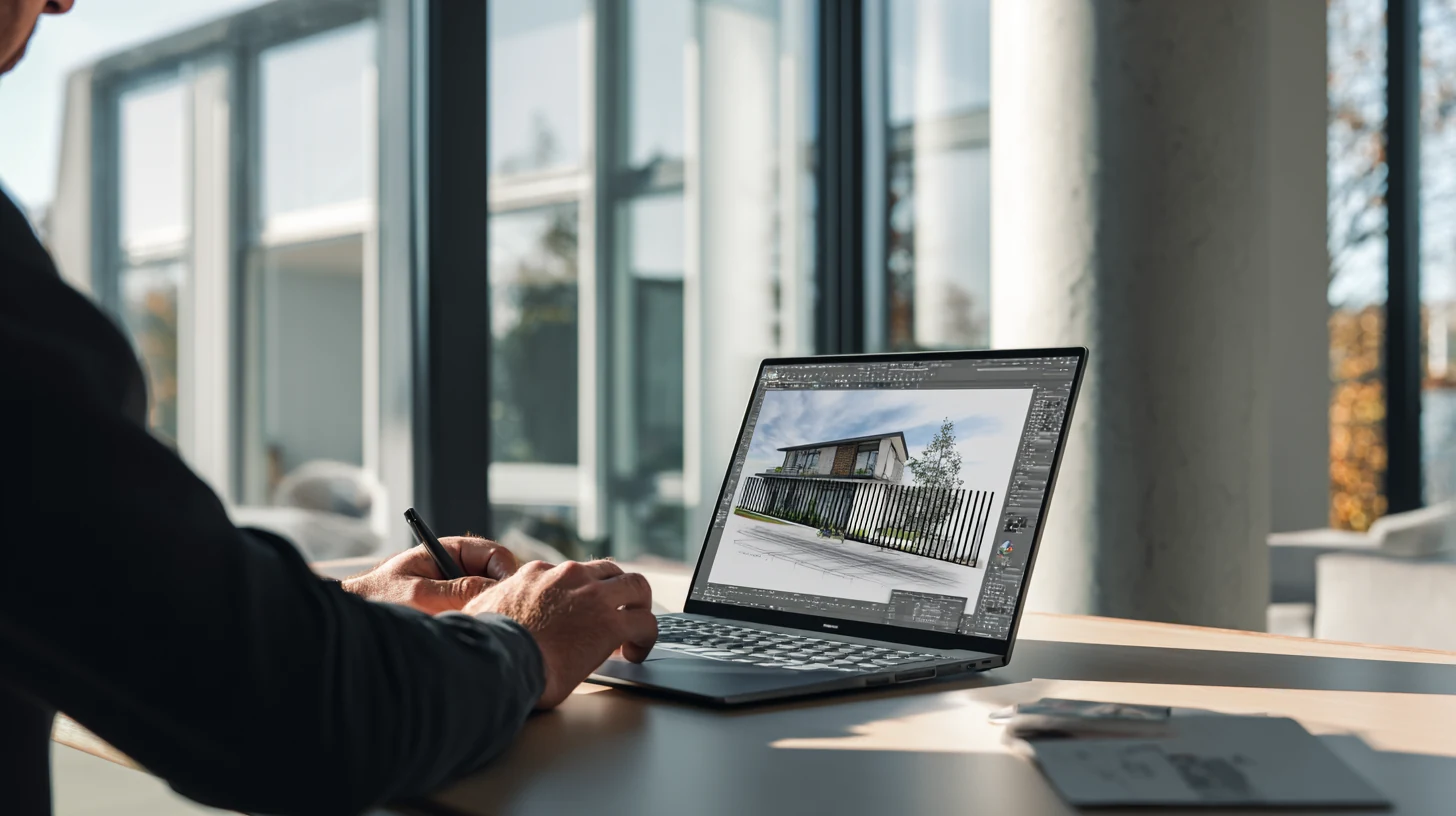
A fence is a long-term investment that affects the safety, comfort and appearance of the entire property. Choosing the right solution involves more than buying panels or a gate. It is a multi-stage process that begins with a sound design and ends with professional installation. What does the journey from an initial idea to a finished fence look like?
Consultation and needs assessment

The first step is to talk with the customer and define their expectations. The fence manufacturer asks about:
- the purpose of the fence - privacy, security, decoration or noise protection
- the style of the house and garden - modern, classic, minimalist or rustic
- the budget - so a suitable solution can be chosen without compromising on quality.
Fence design
A technical design is then prepared, taking into account:
- the placement of panels, the wicket and the gate,
- the length of the fence and the layout of the plot,
- the choice of materials and colors,
- any additional features (e.g. automation, video intercom or lighting).
The design is crucial because it helps prevent installation errors and gives the buyer a clear picture of the planned investment.
Choosing materials and technology

The next stage is choosing materials. The fence manufacturer advises which solutions will work best:
- galvanized, powder-coated steel - provides durability for many years and resistance to rust,
- aluminium - lightweight, modern and virtually maintenance-free,
- wood - natural and elegant, ideal for traditionally styled gardens,
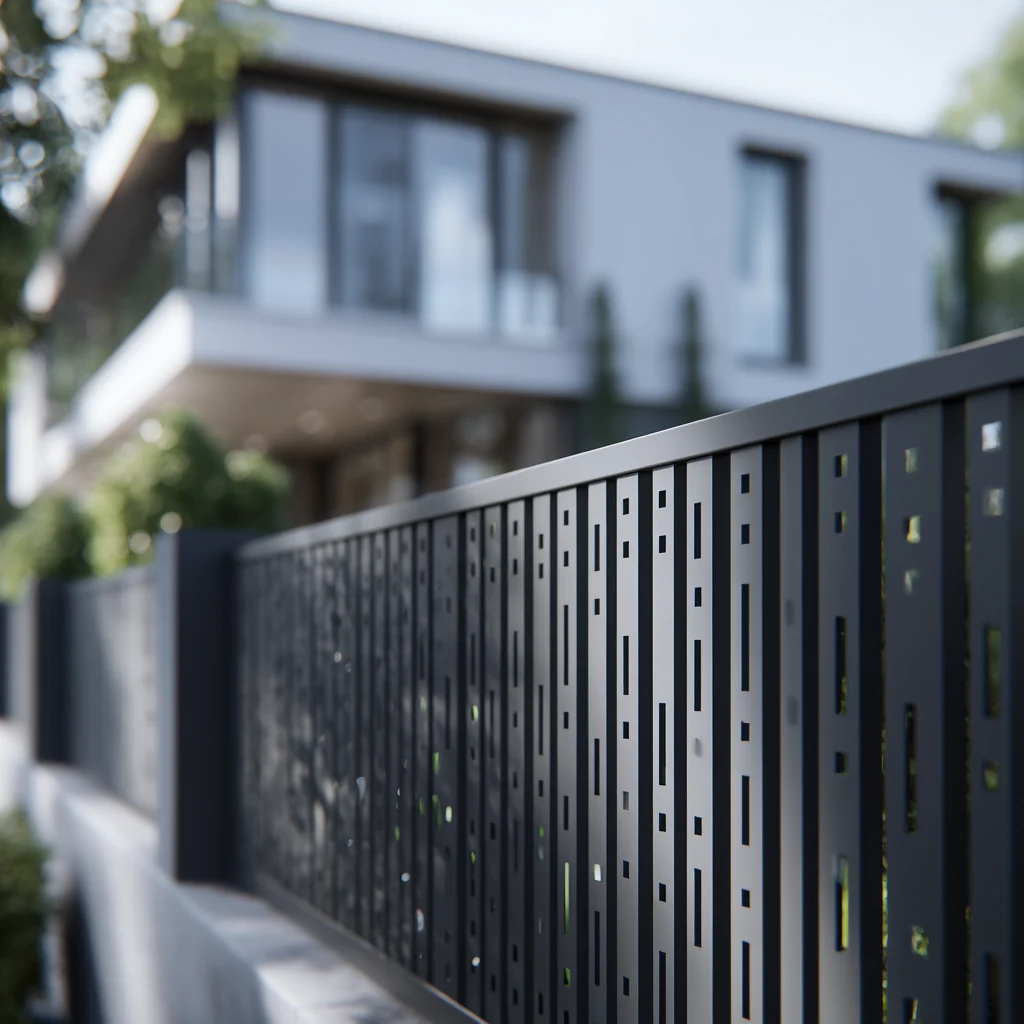
- palisade panels - for those who value privacy and minimalist design.
Details such as the color, finish and panel pattern are also chosen at this stage.
Preparing the ground and foundations
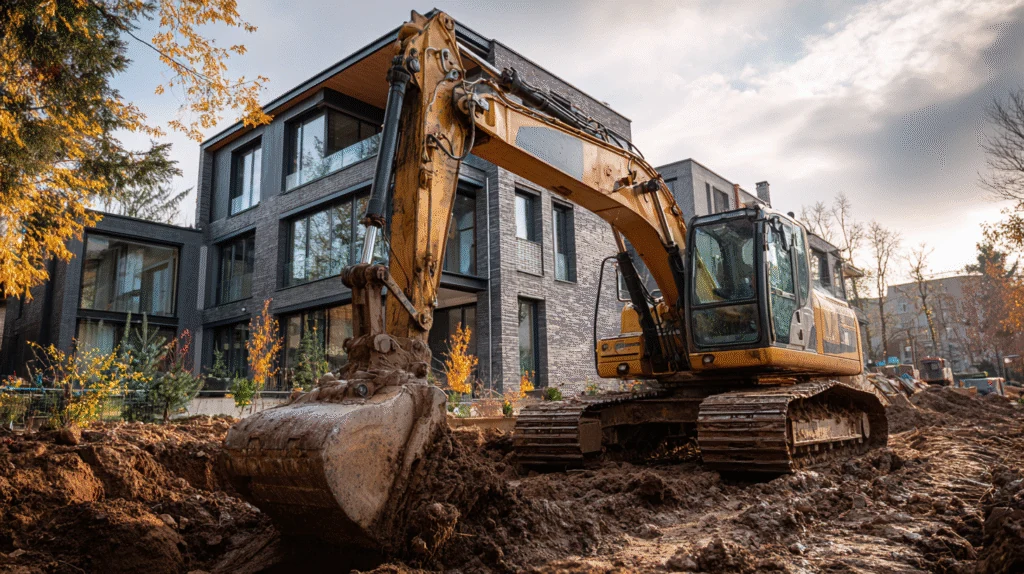
Before the fence is installed, the site must be prepared:
- the fence line is marked out,
- foundations are built for the posts and gate,
- the stability of the ground is checked.
This stage often determines the durability of the whole structure. Solid foundations protect the fence from shifting, settling or warping.
Manufacturing the components
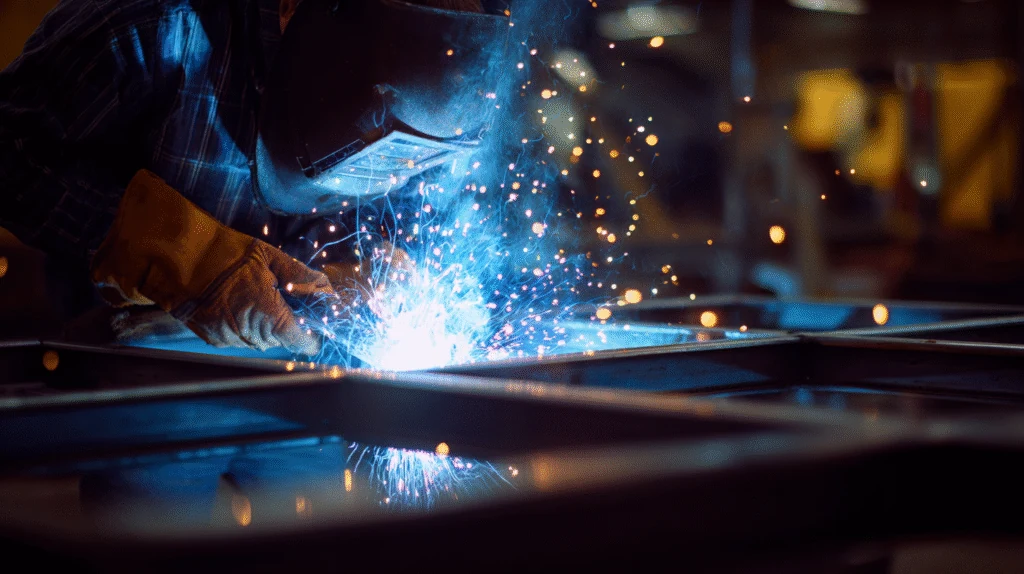
Once the design and materials have been approved, the manufacturer begins producing the fence components. Depending on the type of structure, this may include:
- welding steel panels,
- powder coating,
- processing aluminium,
- preparing the gate and wicket together with their automation.
Modern production technologies support precise workmanship and high-quality protective coatings.
Installing the fence
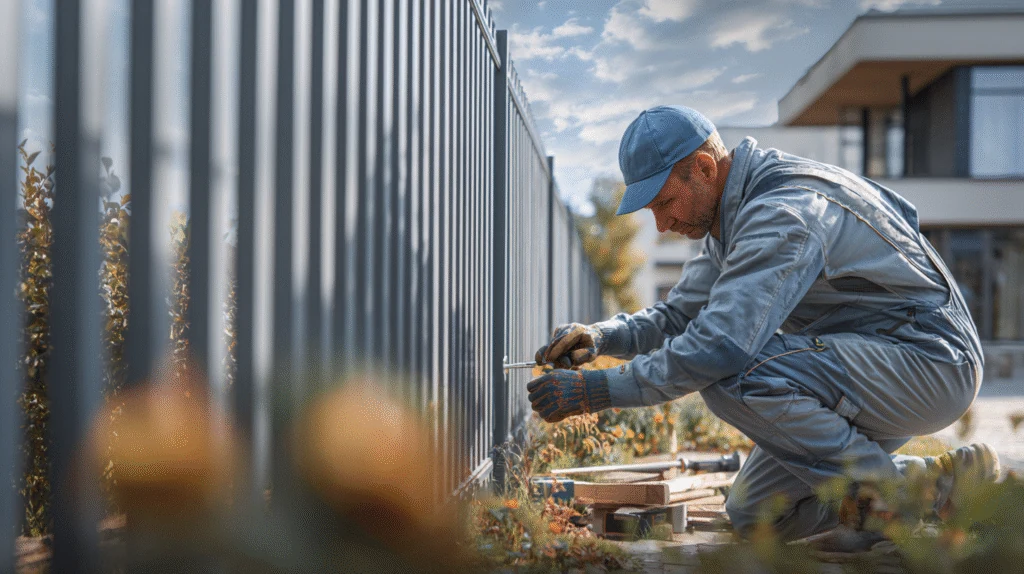
This is the key stage: all components arrive at the site and are installed according to the design. Installation includes:
- setting the posts and panels,
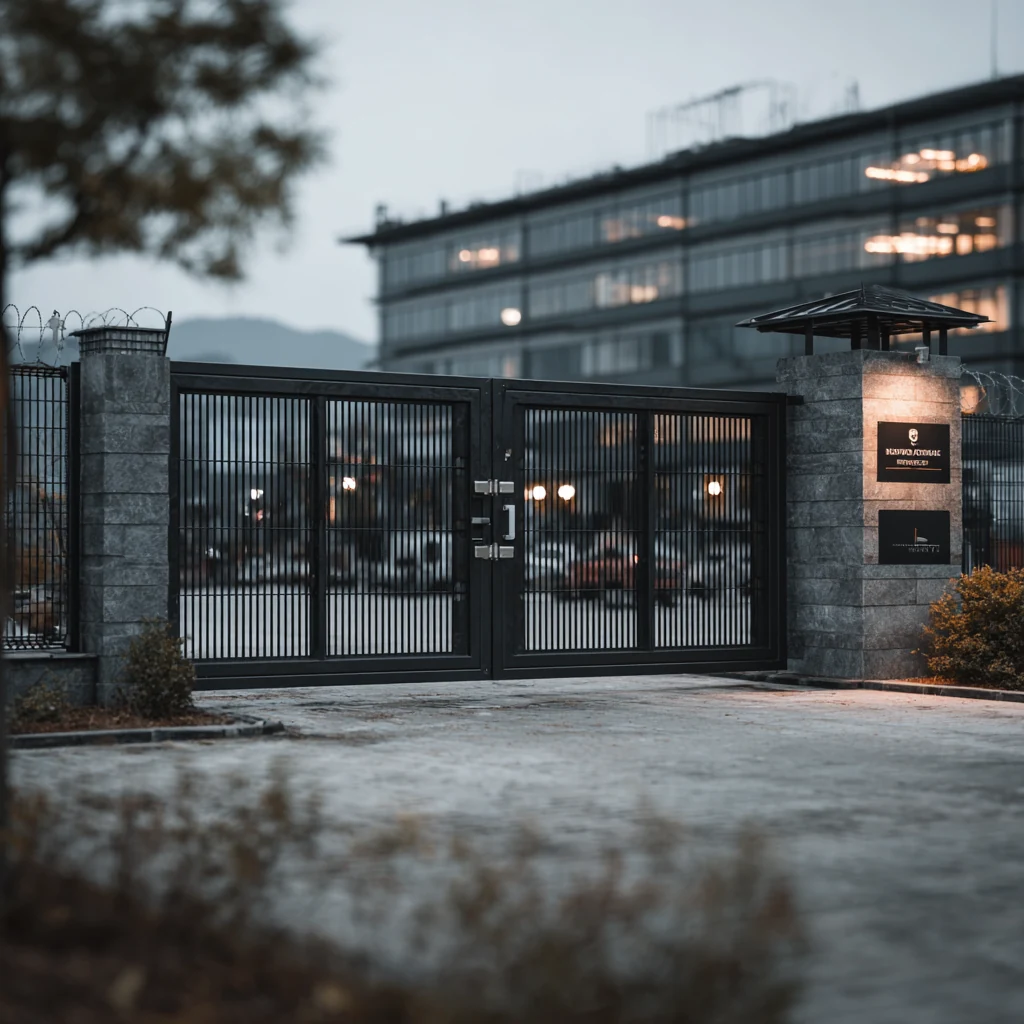
- installing the wicket and the gate (swing or sliding),
- connecting the automation, intercom or video intercom,
- finishing details such as post caps, trims and locks.
A professional installation team pays attention to every detail so that the fence looks good and is also stable and safe.
Technical handover

After installation, the customer carries out a technical handover. The manufacturer provides a warranty and instructions for use. Steel and aluminium fences need little maintenance; periodic cleaning is sufficient. Wooden elements require treatment, but properly protected ones can also last for many years.
Summary
The process from design to installation is complex, and every stage matters. The fence manufacturer helps assess needs, choose the system and prepare the components. Installation is best entrusted to an experienced team.
If you would like a fence that is durable, attractive and suited to your property, contact us. We offer comprehensive service and advice at every stage of the project.
Have a question about the solutions described? Talk to us